
For years, the advice was simple: keep good backups, and a ransomware attack becomes a recovery problem instead of a catastrophe. That was solid advice. Attackers noticed.
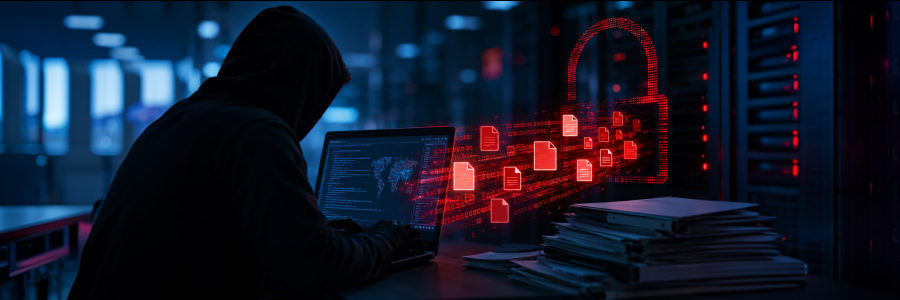
Now a growing number of ransomware groups have stopped encrypting files entirely. Instead, they break in, quietly copy everything, customer records, financial data, contracts, employee information, and walk out. Then they send you a bill. Pay up, or they publish it.
Kaspersky released its annual ransomware report this week, and the shift is clear. Encryption-less extortion is accelerating. The threat has moved from a business continuity problem, ” Can we get back up and running?”, to a data security and compliance problem. Your backups restore your systems. They don’t un-leak your data.
This matters more than most owners realize. A data exposure isn’t just embarrassing. Depending on your industry, it can trigger regulatory penalties. It hands your customer list to competitors. It can surface in lawsuits. And if client confidentiality is part of your value proposition, legal, accounting, healthcare, financial services, a public data dump is a reputational event that backups do nothing to prevent.
The uncomfortable truth is that most small businesses don’t know what data they have, where it lives, or who has access to it. That’s the environment attackers map out before they ever send a ransom note.
Stopping this version of the attack requires knowing your exposure before someone else discovers it for you. That means understanding which systems are visible from the outside, which credentials may already be compromised, and where your sensitive data is concentrated.
A Cyber Liability Scan is a practical starting point. It gives you the attacker’s view of your business, the open doors and exposed data that make this kind of quiet intrusion possible.