CEO

What we keep hearing from businesses is that ERP implementation often takes longer and costs more than expected—not because the technology is flawed, but because teams underestimate the planning and commitment needed. "A successful ERP implementation depends more on preparation and process than on software features." Industry research shows that over half of ERP projects run into delays or budget overruns due to missed steps in the implementation process.
ERP implementation means setting up an ERP system—software that helps you manage your business processes, like accounting, inventory, and manufacturing, all in one place. Companies choose ERP to get better control, reduce errors, and speed up their work. But making the switch to a new ERP system is a big project. It involves careful planning, data migration, and training, so everyone can use the new system smoothly. If you want your ERP project to succeed, you need to follow proven best practices and stick to a clear project plan.
ERP implementation is more than just installing software. It’s about changing how your business runs day to day. When you start implementing an ERP system, you’re bringing together different business processes—like sales, purchasing, and finance—into one reliable system. This helps your team work faster and make better decisions.
A strong ERP implementation process includes setting clear goals, choosing the right ERP system, and making sure your data is ready for the switch. You’ll also need to train your staff and test the system before you go live. If you skip any of these steps, you risk delays, confusion, or even project failure. That’s why following a proven implementation plan is so important.

A lot can go wrong if you don’t have a plan. Here’s how to avoid the most common mistakes and keep your ERP implementation on track.
Without clear goals, your ERP implementation can lose direction. Make sure you know what you want to achieve—like faster order processing or better inventory tracking—before you start. This helps you measure success and keeps everyone focused.
Many teams jump into the ERP implementation process without reviewing their current business process. Take time to map out how things work now and where you want to improve. This makes it easier to set up your new ERP system the right way.
Moving your data from old systems to your new ERP software is a big job. If you rush this step, you might end up with missing or incorrect information. Plan your data migration carefully and test it before going live.
ERP implementation needs input from all departments, not just IT. Get your project manager, team leads, and end users involved early. This helps you spot problems and build support for the new system.
Even the best ERP system won’t help if your team doesn’t know how to use it. Set aside time for training and make sure everyone knows where to get help if they have questions.
People can be nervous about new systems. Explain why you’re making the change and how it will help. Good communication makes the transition smoother and increases your chances of a successful ERP implementation.
A well-planned ERP implementation brings real advantages to your business:

A detailed ERP implementation plan is your roadmap to success. Start by listing your main goals and the steps needed to reach them. Include a timeline for each phase, from choosing your ERP solution to going live. Assign roles so everyone knows who is responsible for what.
Don’t forget to plan for testing and training. Set up regular check-ins to track your progress and catch issues early. The more detailed your plan, the easier it will be to manage your ERP implementation project and avoid surprises.
Following best practices can make all the difference. Here are proven strategies to help you succeed.
Strong support from company leaders helps you secure resources and keep the project moving. Make sure leaders understand the benefits and are ready to back your team.
Not all ERP solutions are the same. Look for a system that fits your business size, industry, and future growth plans. Consider cloud ERP if you want flexibility and lower upfront costs.
Change is hard for any team. Communicate early and often, and listen to feedback. This helps your staff feel involved and reduces resistance.
Bringing in ERP experts can save you time and money. They know the common pitfalls and can guide your team through each implementation phase.
Testing your new system with real data helps you catch problems before they affect your business. Don’t rush this step—thorough testing is key to a smooth launch.
ERP implementation doesn’t end at go-live. Set up a support plan for updates, troubleshooting, and future improvements. This keeps your system running smoothly over time.
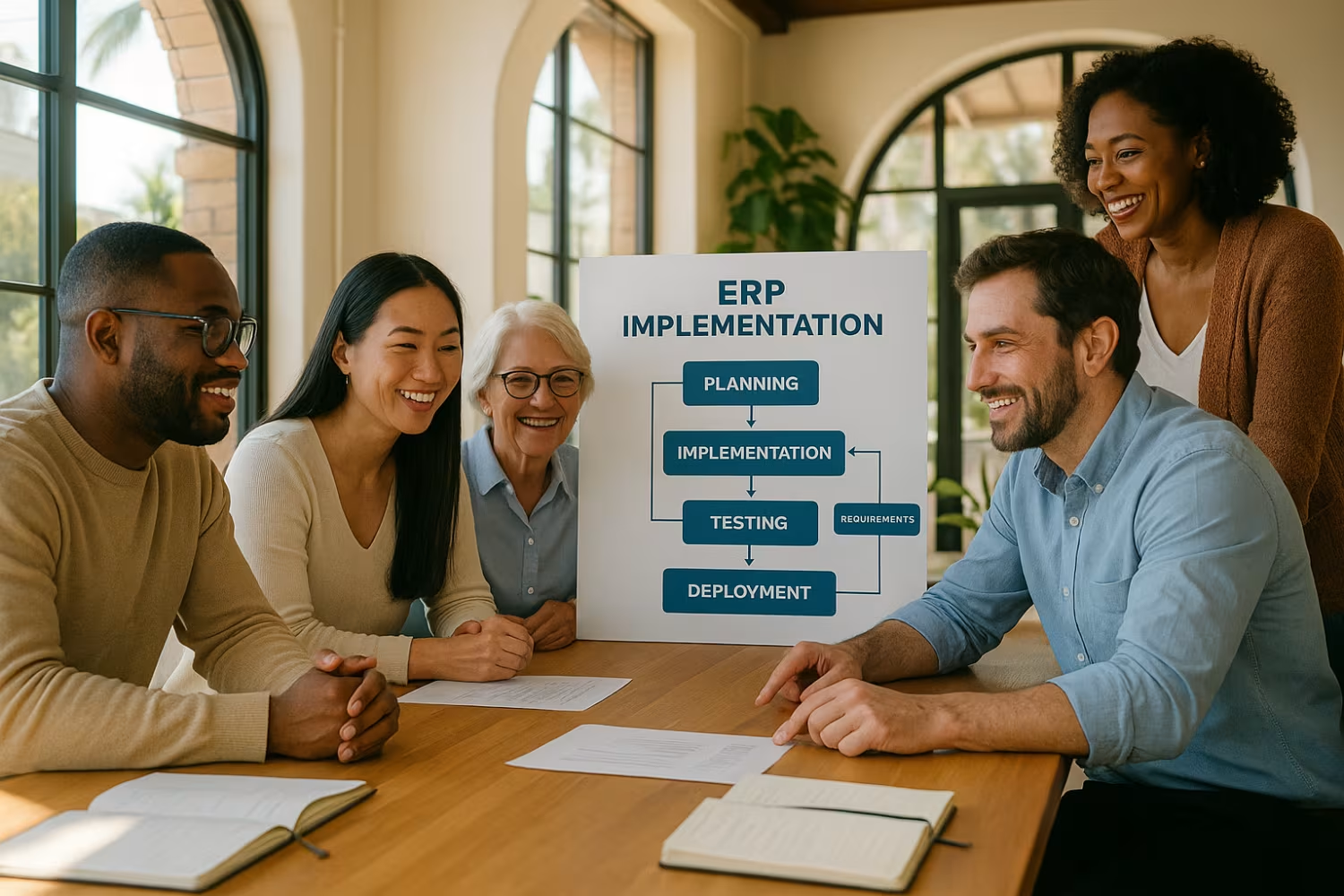
When you’re ready to start your ERP system implementation, think about how it will affect your daily work. Make sure your team understands the changes and has time to adjust. Set realistic deadlines and be flexible if you need to make adjustments along the way.
Keep communication open between your project manager, IT staff, and end users. Regular updates help everyone stay on track and solve problems quickly. Remember, the goal is a smooth transition to a more efficient and reliable system.
To get the most from your ERP implementation, follow these best practices:
Following these steps increases your chances of a successful ERP implementation and long-term business growth.

Are you a business with 15-70 users looking for a reliable ERP solution? If you’re growing and need better control over your operations, it’s time to consider a professional ERP implementation. Our team understands the unique needs of businesses in your size range and can help you avoid common mistakes.
We know that a successful ERP implementation requires careful planning, the right technology, and ongoing support. Rock Solid Technology Solutions has the experience to guide you through every step—from selecting the right ERP system to training your team and providing support after you go live. Contact us today to start your ERP journey with confidence.
The most important best practices for ERP implementation include setting clear goals, involving all departments, and planning for thorough training. You should also review your current business processes and make sure your data migration is carefully managed. This helps ensure your new ERP system meets your needs and avoids common pitfalls.
A successful ERP implementation process also depends on having a strong project manager and a detailed project plan. Regular check-ins and open communication keep your team on track and make it easier to solve problems as they come up.
Choosing the right ERP system starts with understanding your business process and what you want to improve. Look for an ERP solution that fits your industry, company size, and future growth plans. Consider cloud ERP options for flexibility and lower upfront costs.
Talk to ERP experts and ask for demos before making a decision. Make sure the system you select can handle your data migration and offers good support after you go live.
The ERP implementation timeline depends on your business size, the complexity of your processes, and how much data you need to move. Most ERP implementation projects take several months from planning to go live.
A clear project plan with milestones helps you track progress and avoid delays. Make sure to include time for testing, training, and any changes needed during the implementation phase.
To ensure a successful ERP implementation process, start by involving all key stakeholders and setting realistic goals. Assign a dedicated project manager to oversee the project and keep everyone focused.
Regularly review your progress, test the system with real data, and provide training for all users. Good communication and support are essential for a smooth transition to your new system.
The main phases of an ERP implementation include planning, system selection, data migration, testing, training, and going live. Each phase has its own challenges and requires careful attention.
Following a structured implementation strategy helps you manage each phase and reduces the risk of problems. Make sure to document each step and review your progress regularly.
Cloud ERP implementation offers flexibility, lower upfront costs, and easier updates compared to traditional systems. It’s a good option for businesses that want to scale quickly or have remote teams.
Cloud ERP also reduces the need for on-site IT support and makes it easier to access your data from anywhere. Make sure your cloud provider meets your security and compliance needs before making the switch.